
The most common handyman jobs at short- and long-term rentals
By AnyStead team · Published
Short answer
Plumbing leads at rentals of every kind: running toilets, dripping faucets, slow drains and garbage disposals. Vacation rentals add turnover fixes like smart lock batteries, loose furniture, burnt bulbs, TV remotes and wall dings. Yearly leases add tenant requests and a move-out punch list of patching, painting and rekeying. Bill each fix as its own charge.
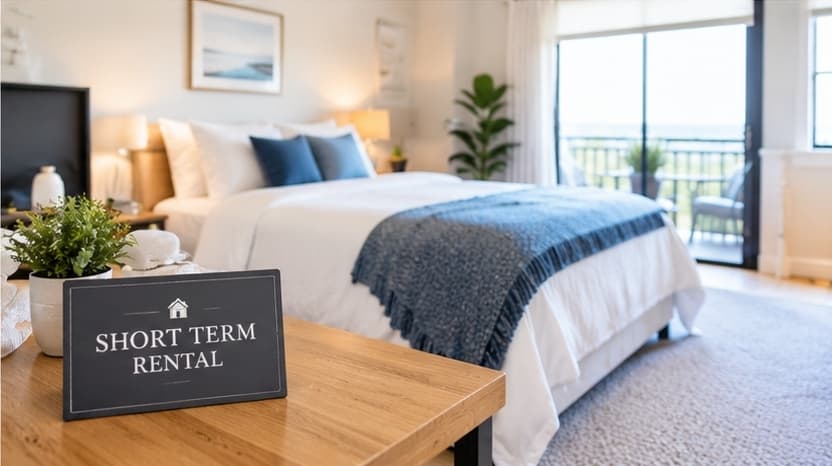
Ask anyone who runs rentals what the handyman gets called for and you will hear the same short list. What changes is the rhythm. A vacation home needs small fixes fast, between one guest leaving and the next arriving. A house on a yearly lease needs fewer visits, then a long list at move-out.
This is the list from our own rentals, checked against a large study of tenant requests, with a note on how to bill each kind of job.
What breaks most at rentals?
Plumbing. Hemlane looked at more than 193,000 tenant maintenance requests and found plumbing was the largest category at 25.4%, ahead of heating and air conditioning at 12.3%, appliance repair at 12.2% and electrical at 8.4% (Hemlane). Running toilets, dripping faucets, slow drains and water heaters lead the plumbing list.
That matches what we see at vacation rentals too, with a layer of guest-facing fixes on top.
Vacation rentals: the turnover punch list
At a short-term rental the cleaner is usually the first to spot a problem, and the fix has to land before the next check-in. The calls we get most:
- Smart locks and keypads. Dead batteries, a code that will not take, a deadbolt that sticks. A lock that fails at check-in is the worst call of the week, so batteries go on a schedule.
- Light bulbs and fixtures. Burnt bulbs in pendants and ceiling fans, a fixture that flickers, outdoor and pool lights.
- TVs, remotes and Wi-Fi. Remote batteries, a TV on the wrong input, a streaming stick that logged out, a router that needs a restart or a replacement. Mounting a new TV.
- Furniture. Wobbly chairs and bed frames, bunk bed checks, assembling new furniture, moving pieces back where guests found them.
- Walls and paint. Luggage dings and small drywall patches, touch-up paint before the photos look tired.
- Bathrooms. Towel bars pulled off the wall, running toilets, loose shower heads, caulk around the tub.
- Blinds and curtain rods. Broken slats, cords, rods pulled out of the drywall.
- Outside. Pool heater on before arrivals and off after, grill checks, patio furniture, and getting the trash bins to the curb on the right day.
- Smoke and CO alarms. The U.S. Fire Administration says to test smoke alarms every month and replace them 10 years from the manufacture date (USFA). A chirping alarm at 2 a.m. is a guest review waiting to happen.
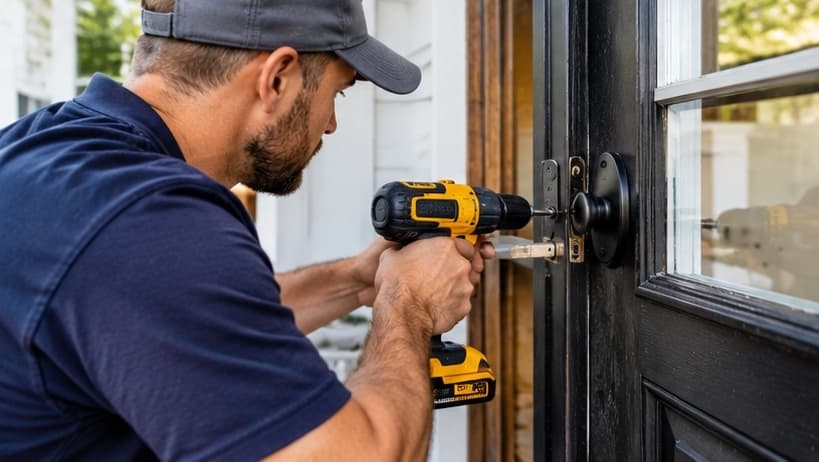
Long-term rentals: tenant requests and the move-out list
A house on a yearly lease sees fewer calls, and most come from the tenant: a leak under the sink, an AC that is not keeping up, a garbage disposal that hums, a tripped GFCI outlet in the bathroom, a door that sticks after a rainy week, a torn window screen.
Then the lease ends and the move-out punch list arrives all at once:
- patch nail holes and dings, then touch-up or repaint
- replace broken blinds, fixtures and cabinet hardware
- fix doors, screens and weatherstripping
- swap the air filter and check the smoke alarms
- rekey the locks for the next tenant
- haul away what the tenant left behind
The move-out clean usually comes right after, so the cleaning crew and the handyman are often billing the same owner for the same house in the same week.
Mid-term rentals: somewhere in between
Furnished monthly rentals for traveling nurses, relocations and insurance stays turn over less often than vacation homes, but each stay is long enough to wear things out. Expect a mix of both lists: furniture repairs and Wi-Fi at each changeover, and tenant-style requests during the stay. If you work across all three, one billing setup for short-, mid- and long-term rentals keeps it simple.
How to bill each kind of job
| Job | How to record it | Why |
|---|---|---|
| Quick fix during a turnover | A labor charge on that property, dated that day | The owner sees each fix, not a lump sum |
| Several fixes in one visit | One charge per fix, same date and property | Each line answers "what was this?" |
| Part bought at the store | A materials charge next to the labor | Parts and time stay separate |
| Trip where nothing got fixed | A travel or no-show charge with a note | The reason is on the bill, not in a text |
| Bigger repair the owner must approve | Log it first; it waits until approval is recorded | No surprise lines on the invoice |
| Something that repeats every visit | A recurring charge on the property | Bin day and filter swaps record themselves |
Bin day and other repeat visits have their own setup, covered in billing a trash bin curbside route. For plumbing and electrical calls, read plumber and electrician invoices for rentals first: in many places that work needs a license.
Bill the month on one invoice
At the end of the week or month, put each client's open charges on one invoice with the property on every line. The full walkthrough is in free handyman invoice software for rental property work.
Turn this month's fixes into one invoice per client. Free, no account required.
Free, no account required, no setup call.Frequently asked questions
What do vacation rentals call a handyman for most?
In our experience: smart locks and keypads, light bulbs and fixtures, TVs and remotes, Wi-Fi, wobbly furniture and bed frames, towel bars, blinds, small drywall dings and running toilets. Most are quick fixes that have to happen between checkout and the next check-in.
What goes on a move-out punch list for a long-term rental?
Patching nail holes and dings, touch-up or full paint, replacing broken blinds and fixtures, fixing doors and screens, swapping air filters, rekeying the locks, and anything the tenant reported but never got fixed. A move-out clean usually follows the repairs.
Should small turnover fixes be billed one at a time?
Record each fix as its own dated charge on the property it was for, even when several happen in one visit. They still end up on one invoice for the owner, but each line answers what was done, where and when, which is what gets an invoice approved quickly.
Can a handyman do plumbing and electrical work?
It depends on where you work. Many states and counties license plumbing and electrical work separately from general repairs, so check your state licensing board before quoting it.
Sources
- Rental Property Maintenance Requests: What 193,000+ Tenant Requests Reveal About What Breaks Most Often, Hemlane (accessed 29 October 2026)
- Smoke Alarms, U.S. Fire Administration (accessed 29 October 2026)